
Vinyl Records Collecting: How to Build Your Collection
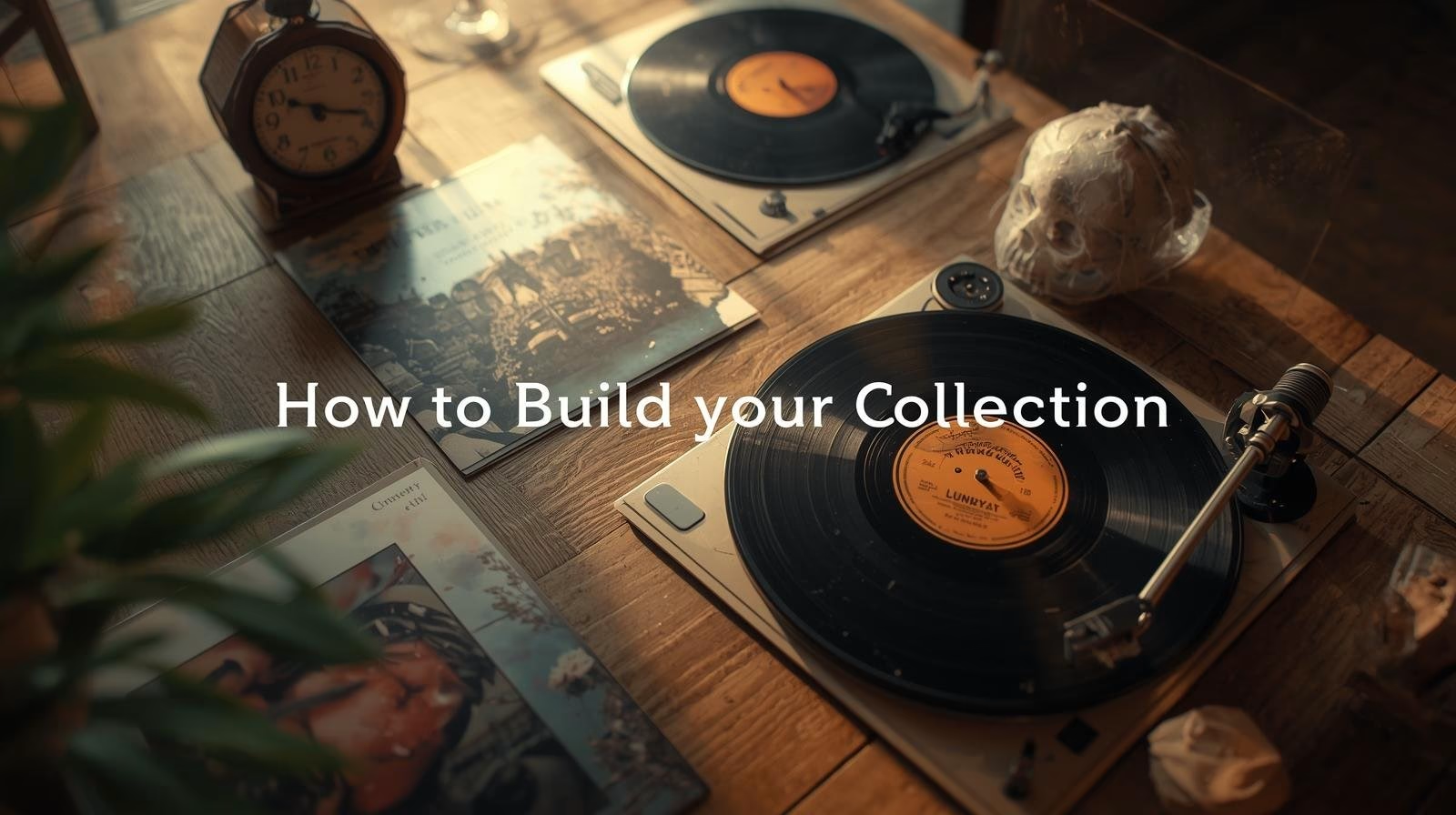
Vinyl's appeal is physical: large cover art, a deliberate ritual of dropping the needle, and the warm analog sound many listeners prefer to compressed streams. After a long decline, the format has seen a sustained revival over the past decade or so, and getting started is easier than it looks. This guide covers the gear you actually need, where to buy without overpaying, and how to grade and care for records so a collection lasts.
Why vinyl endures
A phonograph record stores sound as a continuous analog groove rather than as digital samples, which is the technical root of the "warmth" enthusiasts describe. Beyond sound, a 12-inch sleeve is a canvas for artwork and liner notes that a thumbnail cannot match, and handling a record makes listening an active choice instead of background noise. Records also tie you to a moment in music history, and well-kept pressings can hold or gain value, though that should be a bonus, not the reason you start.
The gear you actually need
A basic playback chain has three parts: a turntable, amplification, and speakers. Where you spend matters more than how much.
- Turntable – the single most important purchase, because a bad one damages records. Entry-level models from established brands such as Audio-Technica or Fluance offer a proper counterweighted tonearm and a replaceable cartridge. Be cautious with very cheap all-in-one suitcase players, whose heavy tracking force and low-quality stylus can wear grooves over time.
- Amplification and speakers – powered (active) speakers with a built-in amp are the simplest route for beginners and need no separate receiver. Passive speakers sound better but require an amplifier or receiver to drive them. Check whether your turntable has a built-in phono preamp; if it does not, you need one between the deck and the amp.
- Sleeves and storage – anti-static inner sleeves and outer poly sleeves protect against dust and ring wear. Store records vertically on a sturdy shelf; never stack them flat, as the weight warps them over time.
Replace the stylus before it wears out, roughly every 500 to 1,000 hours of play for a typical entry-level cartridge, because a worn tip gouges the groove permanently.
Where to buy without overpaying
Records turn up almost everywhere once you start looking, and prices swing widely for the same title.
- Independent record stores – the backbone of the hobby, good for new releases, curated used stock, and staff advice. Most also have discount bins worth digging through.
- Thrift shops, flea markets, and estate sales – the best odds of a cheap find, though condition is a gamble. Inspect before buying. Our guide to sourcing from local thrift stores applies to crate-digging too.
- Online marketplaces – Discogs is the standard for identifying a specific pressing and checking what it typically sells for; eBay is useful for auctions. Always read the condition grade and factor in shipping.
- Record fairs and swaps – large gatherings where you can compare copies in person and trade duplicates.
Reissues are the smart beginner buy: a remastered pressing of a classic album is widely available and far cheaper than a sought-after original, while still giving you the full vinyl experience.
Grading, care, and storage
Used records are described with the Goldmine grading scale, which most sellers on Discogs and elsewhere follow: from Mint (M) and Near Mint (NM) down through Very Good Plus (VG+), Very Good (VG), Good (G), and Poor (P). The grade should describe both the disc and the sleeve. Light surface marks may not affect play; deep scratches you can feel with a fingernail usually cause audible clicks and cannot be repaired, so prevention is everything.
Basic care keeps records playable for decades:
- Handle discs by the outer edge and the label only, never the playing surface.
- Sweep with a carbon-fiber anti-static brush before and after each play.
- Deep-clean dirtier records with a dedicated record-cleaning fluid and a microfiber cloth, wiping with the grooves, not across them. Never use household glass cleaner, which can attack the vinyl.
- Store upright in a cool, dry place away from radiators, windows, and direct sun; heat is the fastest way to warp a record.
Building a collection with focus
Buying at random fills shelves without shaping a collection. A theme makes it cohesive and keeps spending in check. Pick one or two directions: a single genre such as jazz or classic rock, one artist's complete discography, a specific decade, or a format niche like colored pressings and picture discs. Setting a monthly budget before you shop is the simplest guard against impulse buys.
It helps to know what you are handling: most albums play at 33⅓ RPM, 7-inch singles at 45 RPM, and older shellac discs at 78 RPM, so match your turntable's speed setting to the record. Genuinely rare first pressings, signed copies, and printing errors can be valuable, but most records are worth modest sums, and chasing value alone drains the fun. Start with reissues of music you love, learn to grade and clean confidently, then let a focus emerge. Displayed and cared for, even a budget collection becomes something you return to for years, much like the approach in our guide to displaying meaningful pieces without clutter.
The numbers every new collector should know:
| Item | Number | Note |
|---|---|---|
| Album speed | 33⅓ RPM | 7-inch singles 45 RPM; old shellac 78 RPM |
| Stylus life | 500–1,000 hours | replace before it wears — a worn tip damages grooves |
| Sleeve | 12-inch canvas | artwork and liner notes are part of the value |
Related Posts
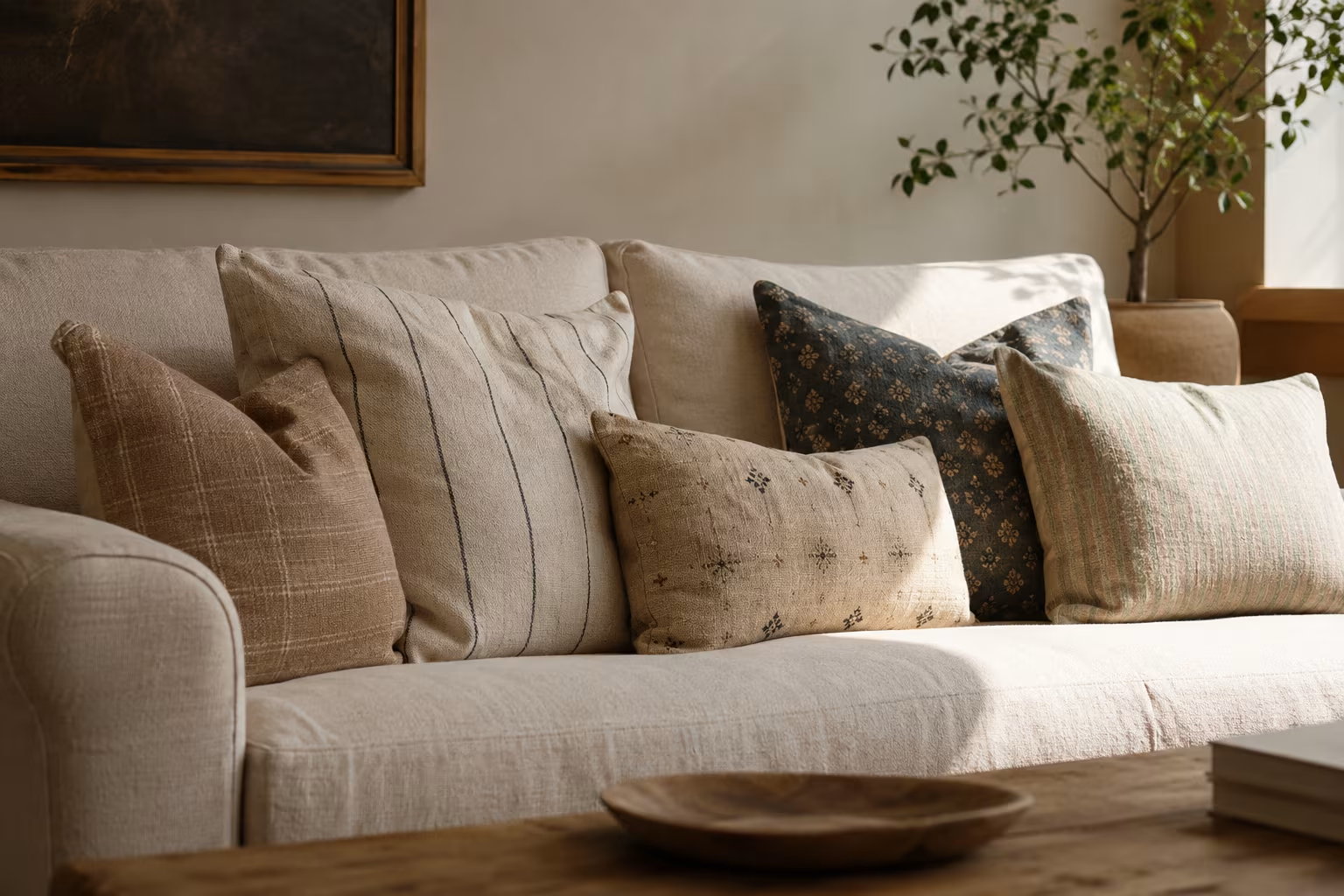
Sofa Pillow Combinations That Don't Fight
Throw pillows pile up over years. Rules for color, texture, pattern, and size.

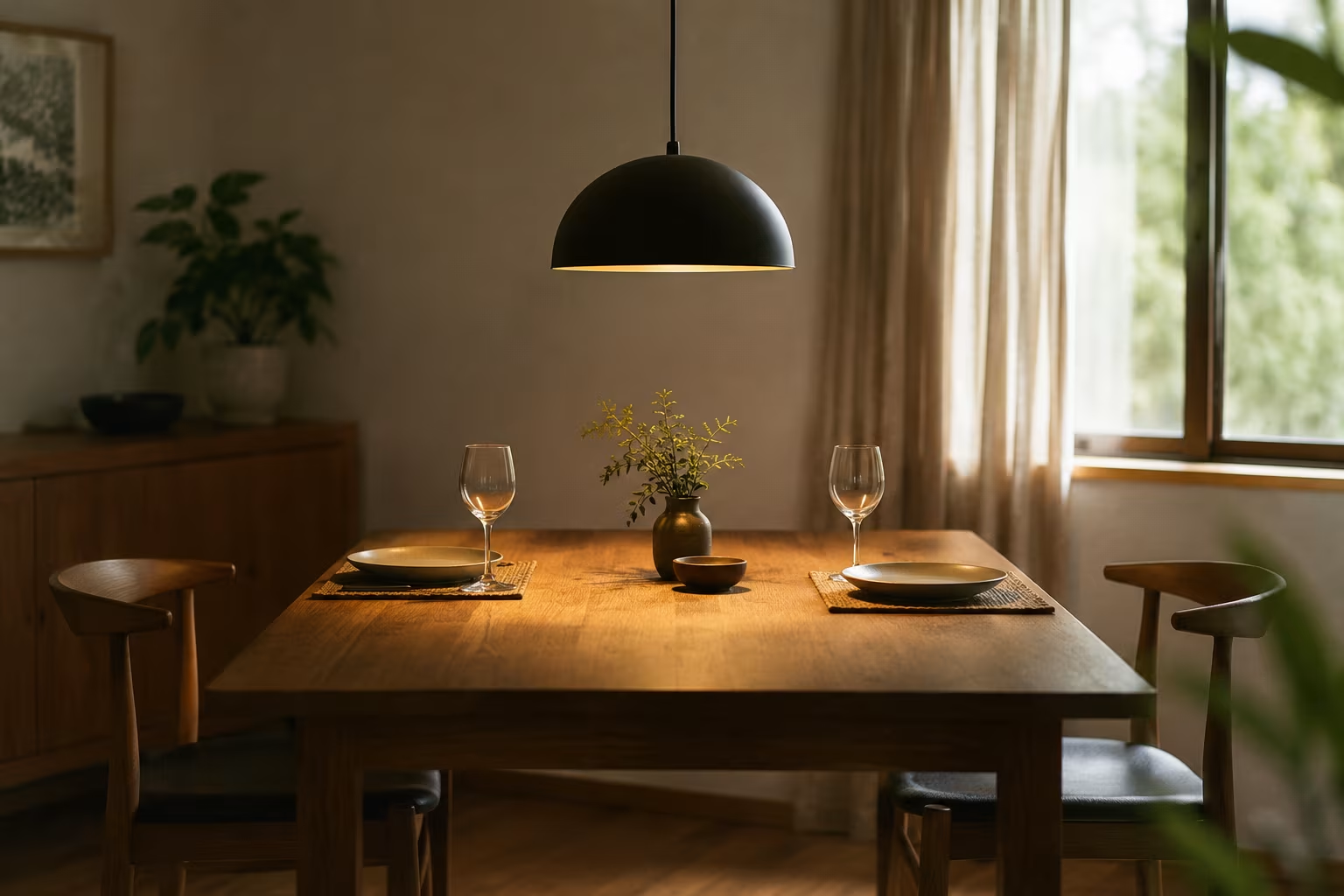
Light Fixture Height Over Dining Table: The Rule
The right pendant light height over a dining table is calculated, not guessed. The standard...
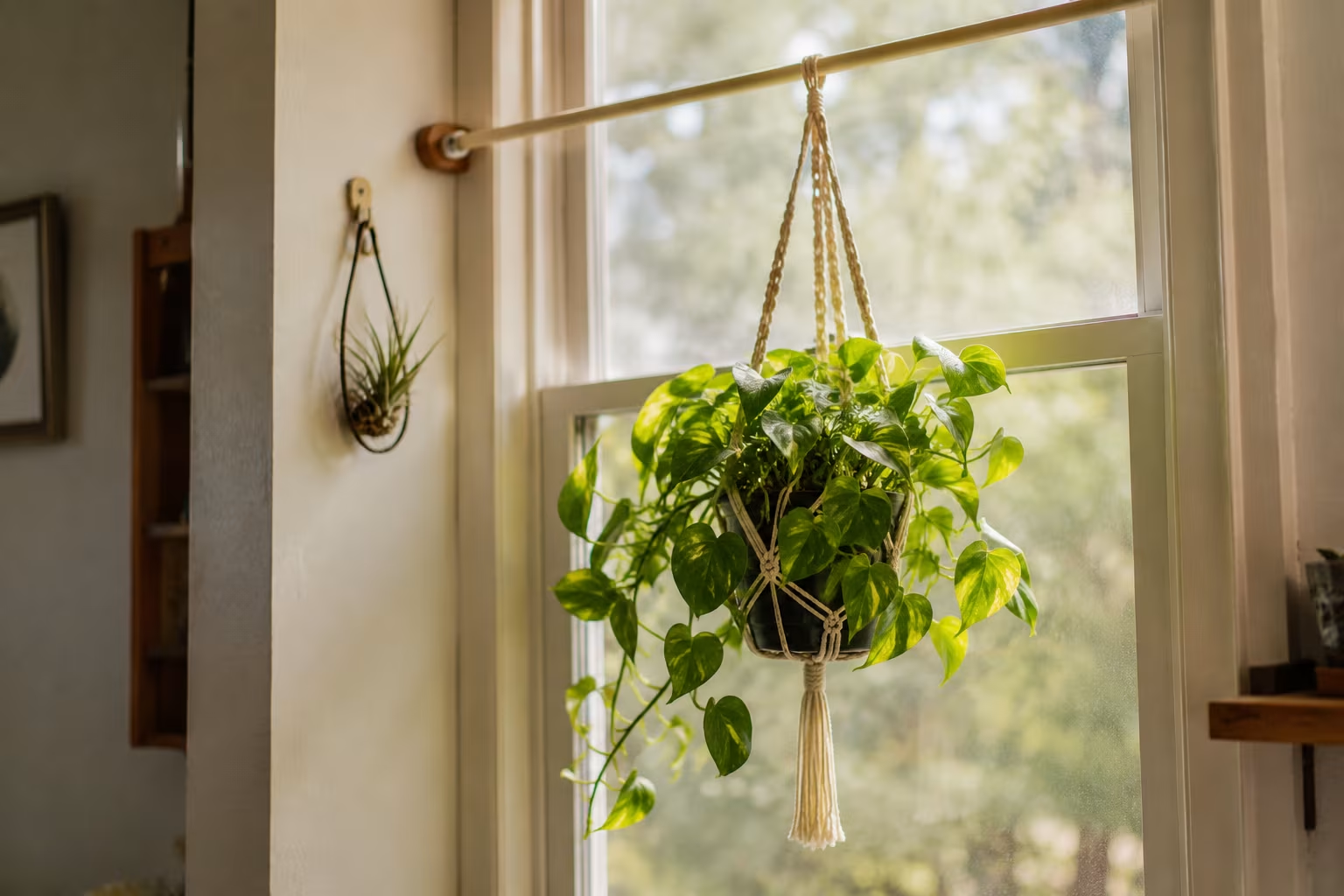
Hanging Plants Without Ceiling Hooks for Renters
Hanging plants brighten any room but drilling into the ceiling isn't always an option....
Indoor Plant Pot with No Drainage Hole: How to Make It Work
A no-drainage pot rots roots fast. Use the double-pot method, skip the gravel myth, pick...
Comments
No comments yet. Be the first to share your thoughts!