
Gallery Wall Picture Spacing: The Repeatable Method
Two numbers do most of the work
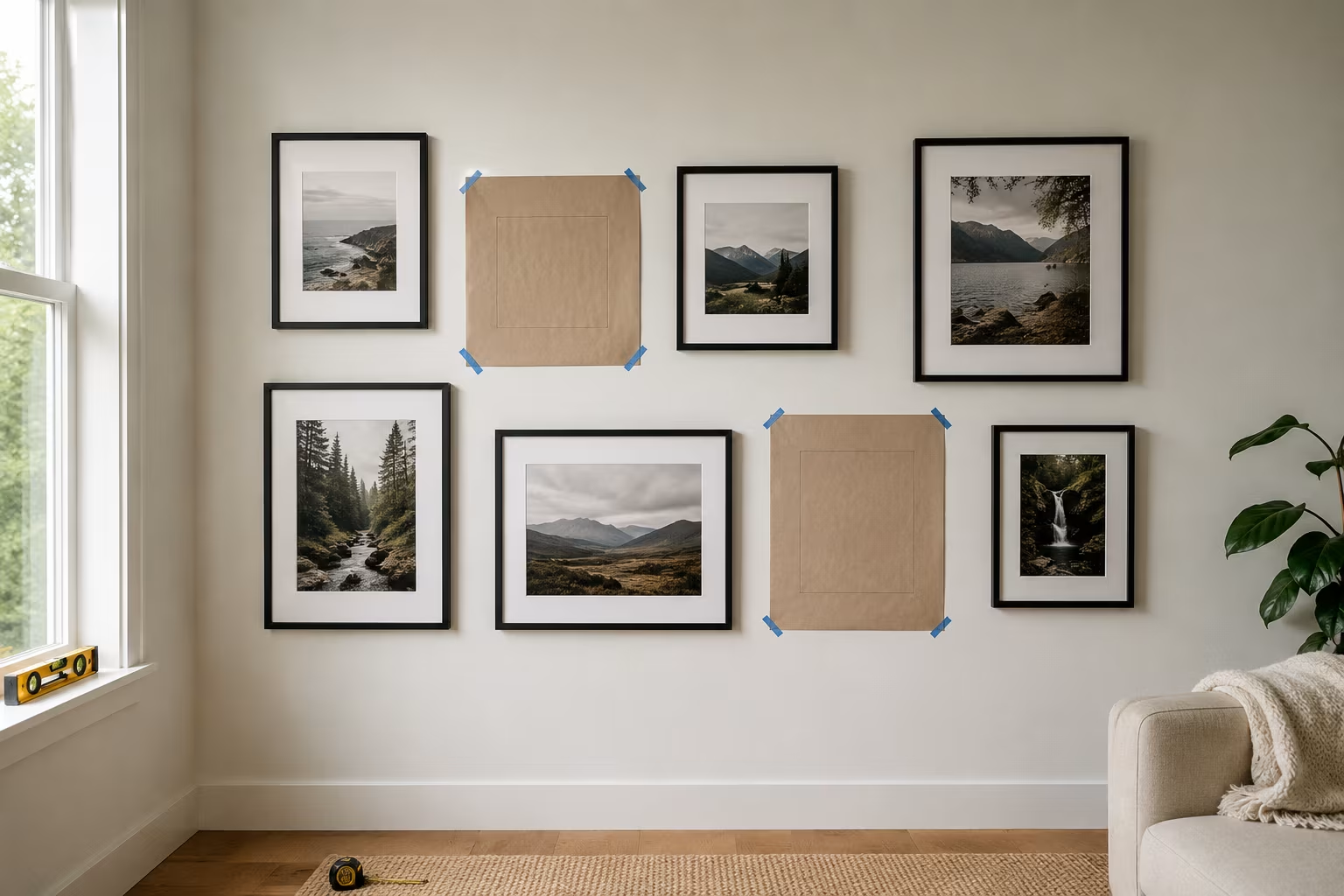
Two measurements turn a pile of frames into a gallery wall that reads as one piece: keep two to three inches of gap between every frame, and center the whole arrangement so its visual middle sits about 57 inches from the floor. The 57-inch figure is the museum-standard eye level used in galleries, and it holds room to room, so the same grouping reads correctly above a sofa, along a hallway, or up a stairwell.
Everything else — the paper template, the consistent gap, the mix of frame sizes — serves those two numbers. Pictures hang too high in most homes, with centers landing between 62 and 70 inches; pulling the visual center down to 57 inches is the single change that makes a wall look intentional.
The 57-inch center and the 2-3 inch gap
The 57-inch height is calibrated to the eye level of a standing adult, and it refers to the visual center of the whole arrangement, not any single piece. For a wall with one large anchor and several smaller satellites, the anchor's center sits near 57 inches and the satellites stack around it; for a symmetric grid, the point where the central gaps cross sits at 57 inches. Adjust when the wall demands it: above a sofa, drop the lowest frames to 6-10 inches above the seat back; stairwell walls follow a sloped baseline set to the stair angle.
The gap ties the frames into one readable unit. Frames more than four inches apart look like separate islands; frames closer than about an inch and a half read as one chaotic block. Two inches everywhere reads tight and graphic, three inches airier — pick one number and hold it, because mixing them makes the gaps look careless. Measure edge to edge, not center to center, and keep a full gap between the outer frames and any corner, baseboard, or light switch. Frame styles change how the eye reads that white space: a thick ornate moulding and a thin metal edge leave very different visual gaps at the same physical distance. A consistent white or off-white mat inside each picture frame ties wildly different prints together.
The kraft paper template method
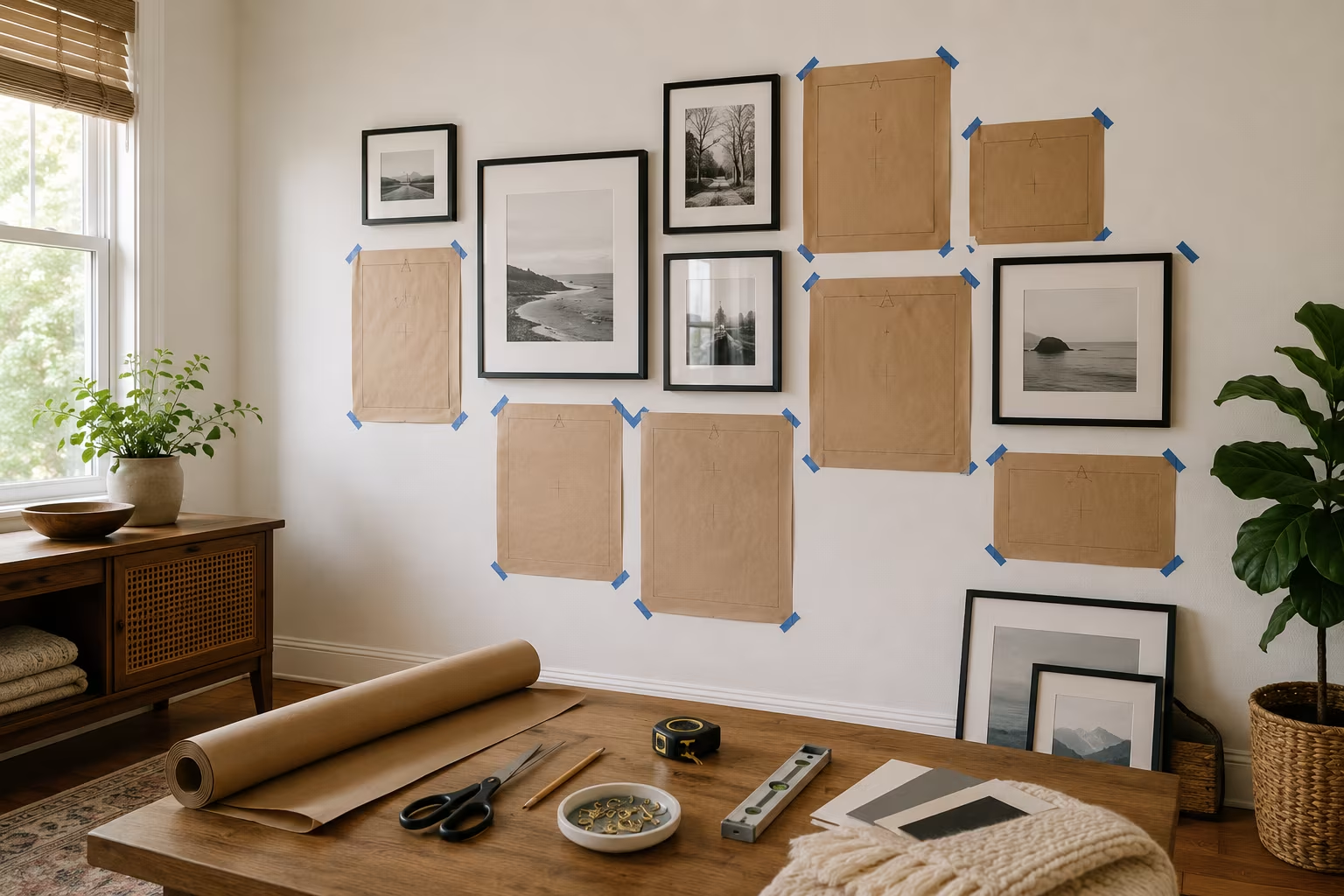
Most botched gallery walls come from nailing first and adjusting later. The paper-template method lets you finalize the layout on the wall before anything is permanent. You need a roll of brown kraft or butcher paper, a pencil, scissors, blue painter's tape, a tape measure, and a small bubble level.
Lay each frame face down on the paper, trace its outline, then mark the exact position of the hanging hardware — the D-ring, sawtooth, or wire — with a clear X. Label each tracing and cut it out. Tape the cut-outs to the wall at the top corners only and slide them around freely. Stand back to the actual viewing distance, six to ten feet, and move pieces until the group reads as one. This stage takes thirty minutes to an hour and saves you from hidden holes.
When the layout is right, drive the nail or screw straight through the X on each template — the paper marks exactly where the hardware lands, with no measuring of the frame back. Tear the paper away, hang the frame, and check level. The technique is forgiving on everything except wallpaper, where painter's tape can lift the print.
Layouts and frame variety
Four patterns cover most successful walls. A grid — rows and columns of near-identical frames with an even gap on all sides — looks formal and forgives the least frame variety; it suits collections that already share something, like botanical prints or matching portraits. A symmetric anchor puts one large piece in the center with balanced pieces flanking it, and works above sofas and beds. An asymmetric anchor sets one large piece off-center with smaller pieces clustering outward — the typical Pinterest look, flexible but demanding on spacing. A line sits every frame on one bottom baseline with varied heights, for hallways and stair landings.
For the frames themselves, pick one constant: either the frame style stays constant and the art varies, or the art stays constant and the frames vary. Both varying at once is noise. All-black wood in different widths, mixed metals from matte black to brushed brass on one art palette, or identical white frames around wildly different prints all read as deliberate; an ornate gilt frame, a thin black metal frame, and a barn-wood frame on one wall fight each other. If you have inherited a clashing mix, paint several frames one color to cut three styles down to two.
Hanging hardware and fixing mistakes
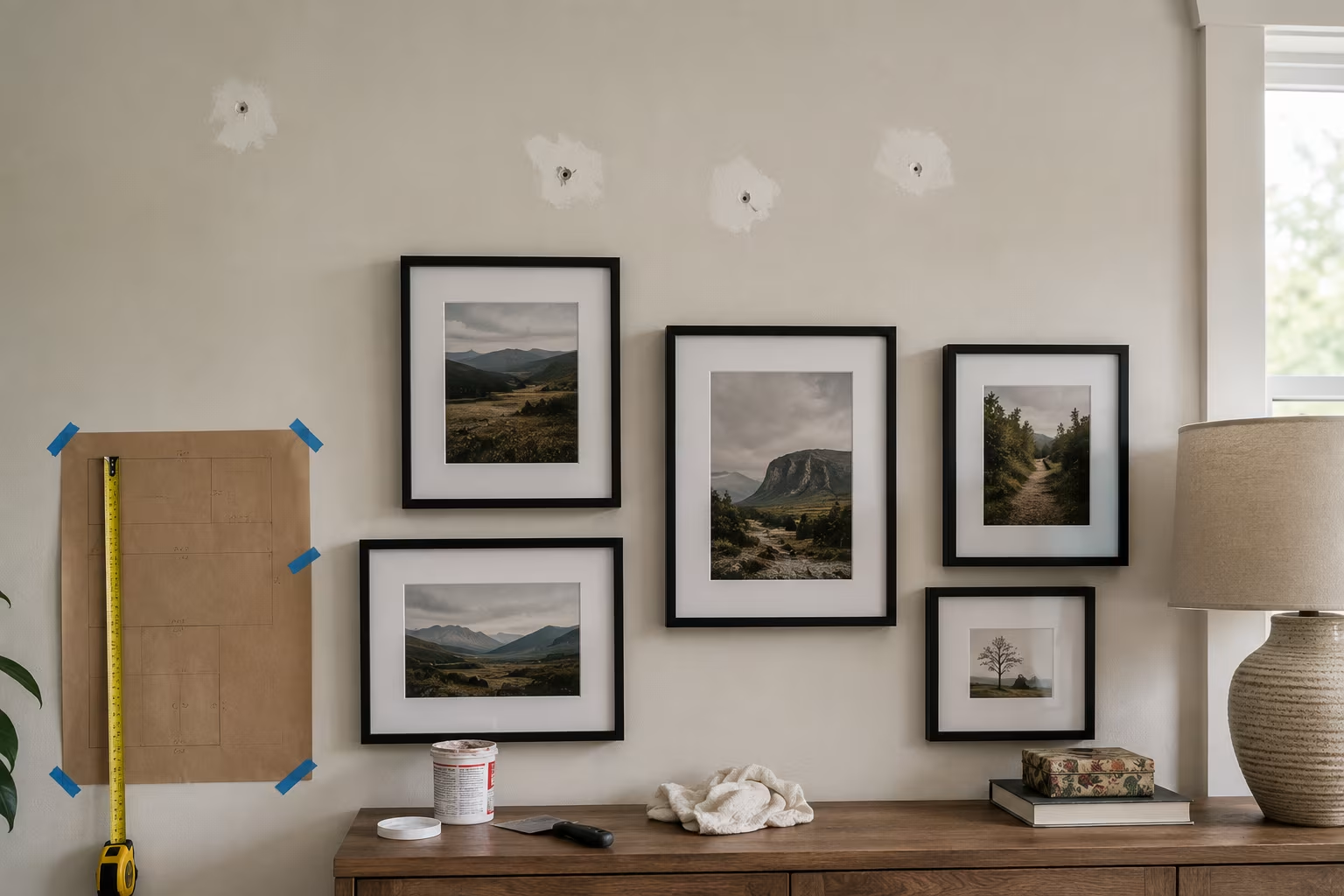
Match the hardware to the weight. Frames under five pounds (most 8x10 and 11x14 pieces) hold on a single picture nail driven at a shallow angle — two nails for anything wider than eight inches — with clear vinyl bumpers on the bottom corners to stop drift. Between five and twenty pounds, use rated picture hooks that spread the load onto the wall. Over twenty pounds, hit a stud or use a drywall anchor rated well above the frame weight. Adhesive strips work for very light frames in rentals, but treat the stated rating as generous: if the package says four pounds, hang three.
The most common failure is hanging too high; the fix is to pull the visual center down to 57 inches, spackle the orphaned old holes, and touch up the paint the gallery hides the rest. Uneven gaps you cannot un-see get solved by re-hanging the worst two or three frames with a tape rather than the eye. A layout that looked right on the floor but wrong on the wall almost always means you planned from arm's length instead of the real viewing distance. And a wall that feels too busy is usually a too-many-frames problem — removing one or two pieces gives the arrangement the breathing room that makes it read clean.
The two-number system plus exceptions:
| Rule | Number | Exception |
|---|---|---|
| Center height | 57 inches (museum standard) | most homes hang at 62–70 — too high |
| Frame gap | 2–3 inches | consistent gaps read as one piece |
| Above a sofa | lowest frames 6–10 inches above the seat back | stairwells follow the rail line |
| Hardware | one nail under 5 lb (8×10, 11×14) | two nails for larger frames |
Related Posts
Area Rug Size Under Dining Table
A rug too small under dining table looks like a mistake. Chairs must stay on rug when pulled out.


Sofa Pillow Combinations That Don't Fight
Throw pillows pile up over years. Rules for color, texture, pattern, and size.
Light Fixture Height Over Dining Table: The Rule
The right pendant light height over a dining table is calculated, not guessed. The standard...
Hanging Plants Without Ceiling Hooks for Renters
Hanging plants brighten any room but drilling into the ceiling isn't always an option....
Comments
No comments yet. Be the first to share your thoughts!