
How to Transition Your Home Decor for the Changing Seasons Mindfully
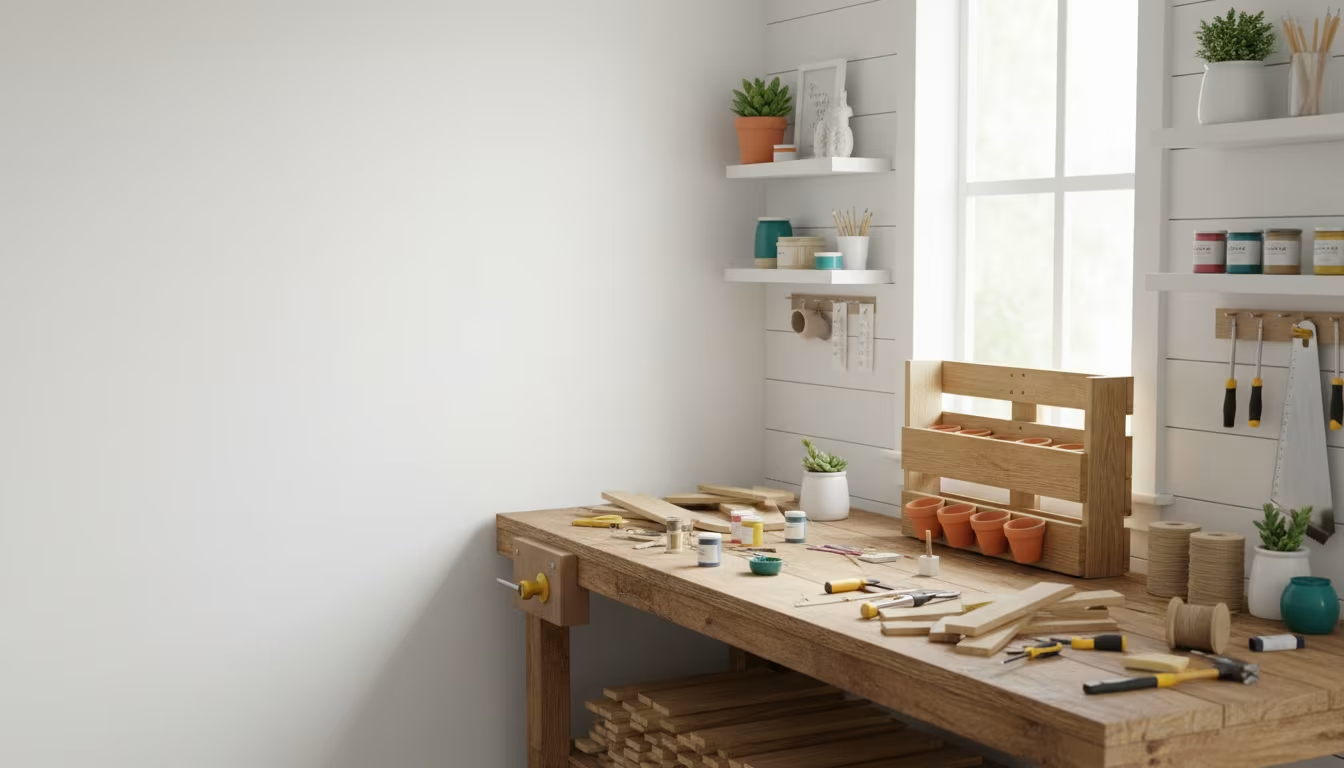
Refreshing a home for the seasons doesn't require a shopping trip or a full redecoration. Done mindfully, it's a handful of small swaps — a lighter throw, a different scent, branches instead of pinecones — that keep a room in step with the light and weather outside. The approach costs little, leans on things you already own, and takes an afternoon rather than a weekend. Here is a practical method for doing it, plus the common pitfalls that turn a simple refresh into a stressful overhaul.
Why syncing decor to the season helps
A room that lags behind the season creates a quiet friction. When spring arrives and the living room still holds dark throws and pinecone garlands, the space reads heavy even as the light outside turns bright and thin. Clearing the winter textures and bringing in lighter colors and a few cut branches resets the whole feel of the room in under an hour.
Mindful seasonal decor isn't about buying new things every few months. It's about tuning a space to the rhythm outside so it supports how you actually live — cool and calm in high summer, layered and warm through a gray winter. The point is comfort and connection, not a magazine-perfect set piece.
A season-by-season reference
Before you touch anything, it helps to have a rough map of where each season pulls color, texture, and scent. Use this as a starting point, then adjust to your own climate and taste rather than treating it as a rulebook.
| Season | Palette | Textures | Scents | Natural elements |
|---|---|---|---|---|
| Spring | Fresh greens, soft yellows, pastels | Light cotton, linen | Fresh linen, citrus, floral | Cut branches, tulips, moss |
| Summer | Bright blues, whites, sunny orange | Airy weaves, breathable fibers | Citrus, sea salt, herbs | Hydrangeas, eucalyptus, driftwood |
| Fall | Warm reds, deep orange, earthy brown | Wool, chunky knits | Cinnamon, clove, cedar | Dried grasses, berries, gourds |
| Winter | Whites, grays, deep jewel tones | Faux fur, heavy knits, velvet | Pine, frankincense, vanilla | Pinecones, evergreen sprigs |
Start by decluttering and auditing
Before adding anything new, look hard at what's already out. Walk your main living areas and pull anything tied to the season that just ended — a faux pumpkin lingering into April, holiday mugs still on display in July. Grab three bins: one for what stays out, one for seasonal items to store, one for donate or discard.
Removing the off-season pieces instantly creates breathing room and makes it clear what you actually have to work with. Putting away things you love isn't a loss; rotating them means they feel fresh again when they return. This audit is the single most useful step, and it costs nothing.
Work surface by surface rather than room by room. The mantel, the coffee table, the entry console, and the dining table carry most of a home's seasonal signal, so clearing and resetting just those four spots shifts the feel of the whole main floor. Keep a single labeled bin at hand as you go, dropping the just-retired items straight into it so nothing lingers in a pile waiting to be dealt with later.
Pull your palette from outside
Instead of heading straight for a store's seasonal aisle, look out the window for the palette. Note the dominant colors — the fresh greens and pastels of spring, the deep reds and browns of fall — and echo two or three of them in cushions, a vase, or a stack of books turned spine-in for their paper tone.
Texture shifts matter as much as color. Swap a heavy wool throw for a lightweight cotton one in summer, then bring back faux fur and chunky knits when it cools. Trading a bright floral vase for a terracotta one as autumn approaches is a single move that changes the read of a whole shelf. If you want a bigger backdrop change, a limewash paint finish gives walls a soft, matte depth that carries across seasons.
Shop your home and thrift first
Once you have a general direction, gather ideas — but don't get pulled into feeling your home needs to match a catalog. Look for specific, doable swaps rather than whole-room transformations you'll never finish.
Thrift stores are the best source for seasonal decor on a budget. Vases, wooden bowls, old books in seasonal hues, and blankets that just need a wash turn up constantly for a few dollars each. A set of amber glass bottles found for about $7 in the fall, filled with dried grasses from the yard, looks far more expensive than it was. The goal is a few key pieces that complement what you have or can be easily reworked — the same instinct that makes sourcing decor from local thrift stores so rewarding.
DIY a few key pieces
Simple projects with natural materials carry a season without any crafting skill. Pressed leaves framed in a thrift-store picture frame, pinecones from a walk arranged in a bowl, or small rocks painted with seasonal patterns all take minutes and cost close to nothing.
A seasonal centerpiece is the highest-impact project for the effort. Set a wooden tray with foliage that shifts through the year — branches in spring, garden flowers in summer, berries in fall, pinecones in winter — plus a couple of candles. Gathering hydrangeas and eucalyptus from the garden and arranging them in a vase you already own takes about 20 minutes and reads as instant summer at zero cost. Old sweaters become winter pillow covers; linen remnants sew into lighter spring ones. For a quick styling lift on any sofa, a fresh set of throw pillows arranged well does more than most people expect.
Layer scent, texture, and sound
Mindful decor isn't only visual. Scent sets a seasonal mood fast: cinnamon and clove in fall, fresh linen or citrus in spring, a subtle pine in winter. A diffuser with essential oils gives a natural aroma without the heavy sweetness of a synthetic candle, and swapping dish and hand soap for a seasonal scent shifts the feel of a whole kitchen for a couple of dollars.
Touch matters too — a fuzzy throw for cold months, cool linen for warm ones, soft pillows that invite you to sink in or crisp ones that feel more upright and awake. Even sound plays a part: a small indoor water feature reads as summer, while the low crackle of a fireplace suits winter evenings. These sensory layers make a room feel considered rather than just tidied.
Rotate scent by room as well as by season. A cool citrus or herb note works in a kitchen year-round, while the living room can carry the heavier seasonal scents — cedar and clove in autumn, pine and vanilla in December. Keep it subtle: one diffuser or a single candle per room is plenty, and layering three competing scents in one space cancels the effect and reads as artificial rather than inviting.
Adjust for function
Seasonal decor can also make a home work better for the time of year. In summer, a large basket by the door holds picnic blankets or beach towels; in winter, a tray corrals hats and gloves so they don't scatter. Lighting is the quiet lever here — brighter, cooler light in summer, warmer and softer in winter, with lamp dimmers letting you tune the mood in seconds. Even rotating a few books, travel guides in summer and cozy mysteries in winter, nudges the room toward the season without buying anything.
Warmer bulbs read as more restful in the darker months; look for a color temperature around 2,700 kelvin, the warm white printed on most bulb boxes, and save cooler 4,000-kelvin light for task areas. Swapping a single lamp bulb and moving a floor lamp closer to a reading chair changes a room's evening mood more than any decorative object, and it costs a few dollars at most.
Store off-season decor well
Good storage is what makes the next swap painless. Use clear plastic bins labeled by category — "Fall Decor," "Winter Textiles" — so you know exactly where everything is and stop buying duplicates you already own. Use vertical space in closets or the garage, and vacuum-seal throws and pillow covers to save room and protect them from dust and moths. The upfront time pays back at every future transition; the same labeled-bin logic that tames budget-friendly office supplies keeps seasonal decor from becoming its own clutter problem.
Common mistakes
The biggest trap is doing too much at once. You don't need to redecorate the whole house in a weekend — that's a straight path to burnout. Pick one room, or even one surface like a coffee table or mantel, and stop there.
The second trap is feeling pressured to buy new, on-trend pieces. Seasonal items are surprisingly expensive for something used a few months a year, and a home should reflect the people in it rather than a store display. The third is the perfection trap: a room needs to feel comfortable and welcoming, not photograph like a spread. Anchor the season with elements you already have, treat any purchase as intentional, and lean on the ideas in these seasonal decor ideas when you want a starting point. For the wider principles behind color, texture, and flow, a grounding in basic interior design makes each seasonal swap feel deliberate rather than random. Start with a single tray this week, notice how the room reads afterward, and let the next surface follow when it feels right.
Related Posts

Sofa Pillow Combinations That Don't Fight
Throw pillows pile up over years. Rules for color, texture, pattern, and size.

Light Fixture Height Over Dining Table: The Rule
The right pendant light height over a dining table is calculated, not guessed. The standard...
Hanging Plants Without Ceiling Hooks for Renters
Hanging plants brighten any room but drilling into the ceiling isn't always an option....
Indoor Plant Pot with No Drainage Hole: How to Make It Work
A no-drainage pot rots roots fast. Use the double-pot method, skip the gravel myth, pick...
Comments
No comments yet. Be the first to share your thoughts!