
Why "Clutter-Free" Surfaces are the Key to a Calming Bedroom
A cluttered nightstand is a small thing that quietly sets the tone for a room. Books you mean to read, a stray mug, chargers, hair ties — the flat surfaces in a bedroom collect whatever passes through, and the pile-up works against the calm the room is supposed to provide. Clearing those surfaces is the fastest, lowest-effort way to make a bedroom feel restful, and it starts with a single nightstand rather than a whole-room overhaul.
Why clear surfaces calm a room
A bedroom is meant to be the place you recharge, so visual noise there costs more than it does elsewhere. When every flat surface is covered, the eye keeps catching on unfinished tasks, and the brain struggles to wind down. A dresser buried under tried-on clothes, a half-finished project, and five bottles of lotion greets you first thing every morning and starts the day with a low hum of stress.
Clearing those distractions gives the mind less to process right before sleep and right after waking. It's a documented piece of good sleep hygiene: a calm, uncluttered environment supports better rest, while a chaotic one keeps you subtly alert. Finding what you need in the morning also gets easier when surfaces hold only what belongs there.
What "clutter-free" actually means
Clutter-free doesn't mean a sterile, empty showroom. The goal is intentionality, not minimalism. It means the flat surfaces — nightstand, dresser, desk, window sills — stay mostly clear of non-essential items, while the things you love still have a home.
In practice, a nightstand holds a water bottle, a small lamp, and the book you're actively reading. Everything else lives somewhere out of sight. You can keep a full collection of craft supplies and still have clear surfaces, as long as those supplies sit in bins and drawers rather than on your prime real estate.
Why surfaces attract clutter
Flat surfaces near the door become the default landing pad because they're convenient. Keys, phone, a grocery receipt — each lands there because it's the closest place to set something down, and convenience compounds into a jumble fast.
- Visual noise keeps the brain active when it should be settling. Piles read as unfinished business.
- Dust traps multiply with every object; cleaning turns into a chore of moving twenty things first.
- Decision fatigue builds as your eye passes over a pile and silently reruns "do I need this, where does it go" for each item.
- Sleep disruption follows a chaotic space, since the room reads as a storage unit instead of a place to rest.
The step-by-step reset
The reliable method is to work one surface at a time, and the nightstand is the best place to start — small, high-impact, and quick enough to give you an early win. Trying to do the whole room at once usually ends in burnout.
Take absolutely everything off the chosen surface and set it in a basket or on the floor nearby. Seeing the bare surface is motivating and gives you a clean slate. Then sort the pile into three groups: things that genuinely belong on that surface (keep), things that need to leave the house (donate or trash), and things that live somewhere else in the home (relocate) — and don't let anything sit in limbo.
With the surface bare, clean it properly: wipe it down, dust it, polish it if it's wood. This does two jobs. It makes the surface feel fresh, and a just-cleaned surface is one you're less likely to immediately pile onto again. Finally, put back only the essentials — for a nightstand, a lamp, maybe an alarm clock, your current book, and a glass of water. Anything that doesn't earn that spot goes elsewhere.
Handle the relocate pile immediately, before you move to the next surface. Items set aside "to deal with later" almost always drift back to a flat surface within a day, so carry each one to its real home as you sort — lotions to the bathroom, chargers to a drawer, stray mugs to the kitchen. A single nightstand reset, start to finish, takes about 20 to 30 minutes, and finishing one completely beats half-clearing three.
What earns a spot on each surface
Deciding item by item gets easier with a rough default for each surface. Use this as a guide, then adjust to how you actually use the room.
| Surface | Keep on it | Give a home elsewhere |
|---|---|---|
| Nightstand | Lamp, current book, water glass, alarm clock | Chargers, lotions, jewelry, old mugs |
| Dresser top | One tray, a single framed photo, a small plant | Loose change, receipts, tried-on clothes |
| Desk | Task lamp, one notebook, an active project | Mail, cables, supplies not in daily use |
| Window sill | A plant or two, one decorative object | Bottles, boxes, anything blocking light |
Storage that keeps it clear
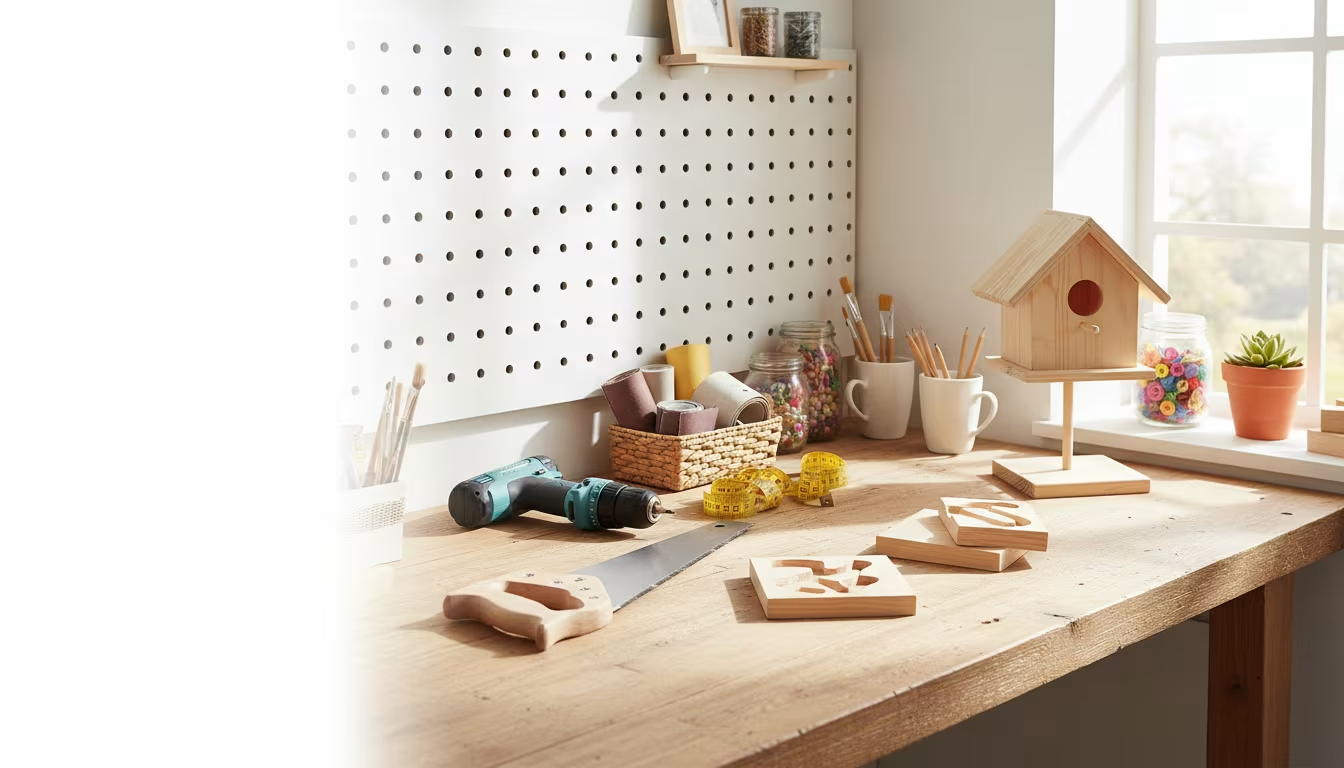
Clutter often isn't too much stuff — it's stuff without a defined home. Give every displaced item a spot and putting it away becomes automatic. A small decorative box from a thrift store holds hair ties and lip balm; a shallow tray corrals jewelry you wear daily; a simple wooden box built from scrap lumber keeps charging cables contained instead of snaking across the nightstand.
When floor space is tight, go vertical. Floating shelves hold books and decorative pieces without taking up a surface, and shallow bins under the bed swallow off-season items. The inside of a closet door takes hooks or an over-the-door organizer for smaller things. The same logic that tames a workspace applies here — organizing with aesthetic storage solutions means the containers themselves look intentional rather than like overflow.
Match the container to what it holds so items go away in one motion rather than getting stacked on top. A shallow drawer divider keeps jewelry from tangling; a lidded box hides cables and chargers; a narrow tray by the door catches keys and a wallet so they never reach the nightstand. Even a wall treatment can help — hidden magnetic strips or magnetic paint under a regular finish can hold small metal items off the surface entirely. The test is simple: if putting something away takes more than one step, it will end up back on a flat surface.
The daily reset habit
Clearing a surface is the easy part; keeping it clear is where a small habit does the work. Spend 30 seconds resetting the surface before you leave the bedroom in the morning or right before bed — book back on the shelf, water glass to the kitchen, phone to its charging spot. Tied to something you already do, like waiting for coffee to brew, it stops small items from re-accumulating.
Back that up with a weekly five-minute pass: set a timer, scan every flat surface, and return stray items to their homes. It's enough to keep the room from sliding back without turning maintenance into a project.
Avoiding the re-clutter trap
Two habits cause most backsliding. The first is bringing new things in without a plan for where they'll live — the "one in, one out" rule directly counters it. The second is items that have no designated home; anything homeless will migrate straight to a flat surface, so take a few minutes to decide where things genuinely belong.
A third habit worth naming is the surface that never gets used for its intended purpose — a desk that becomes a dumping ground, a chair that holds clothes. If a surface consistently attracts clutter, give it a defined job instead: a tray that says "keys live here" or a single basket for laundry redirects the impulse rather than fighting it.
Sentimental items are the hard case. For things you cherish but don't need on display, a dedicated memory box in a closet or under the bed keeps them safe without crowding a surface; for a few truly special pieces, give one a prime spot rather than scattering many. The rule throughout is curate, not accumulate. Start tonight with one nightstand — clear it completely, wipe it down, and put back only three or four things — then let the calm of that one surface pull you toward the dresser, the desk, and the window sills next.
Related Posts
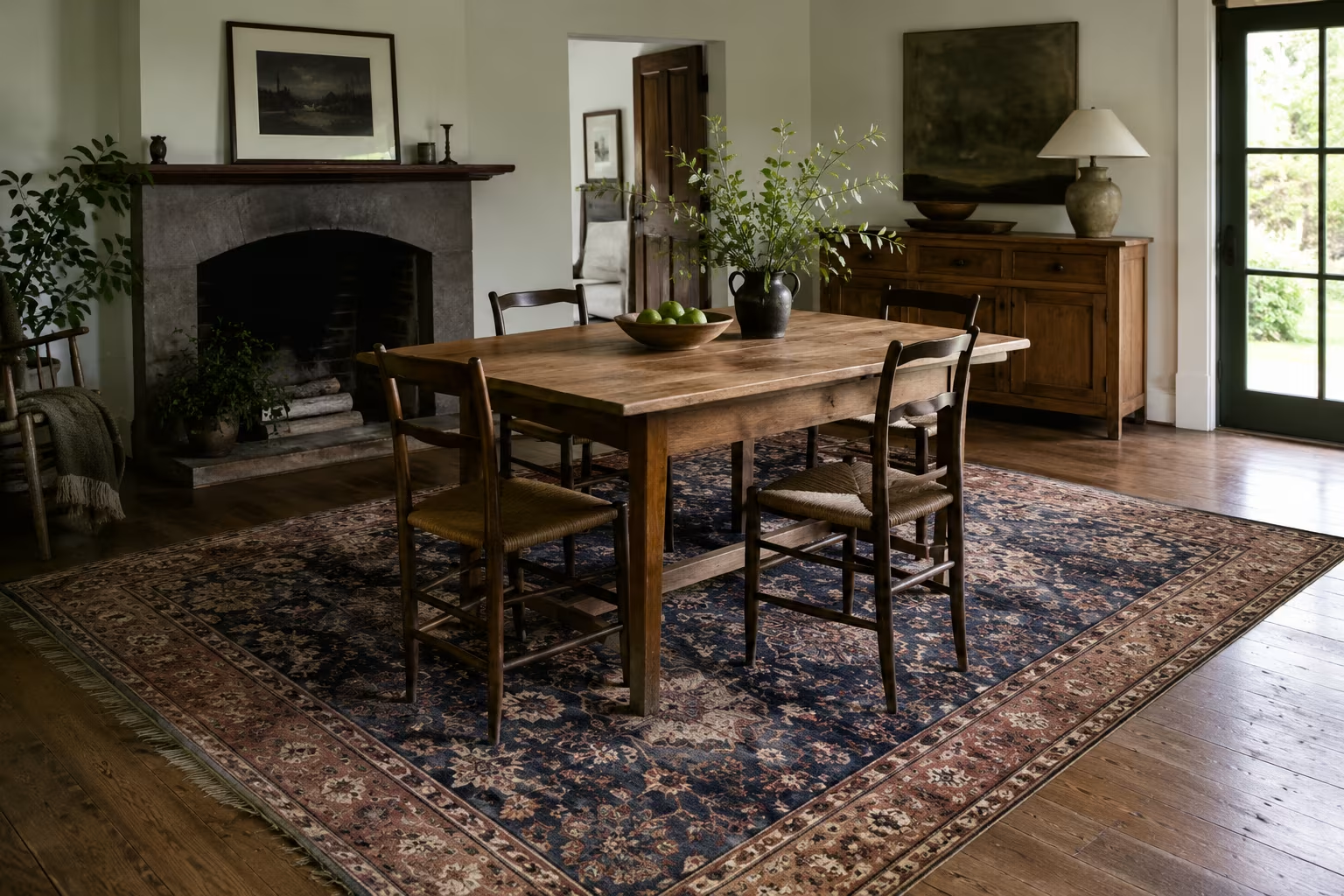
Area Rug Size Under Dining Table
A rug too small under dining table looks like a mistake. Chairs must stay on rug when pulled out.


Sofa Pillow Combinations That Don't Fight
Throw pillows pile up over years. Rules for color, texture, pattern, and size.
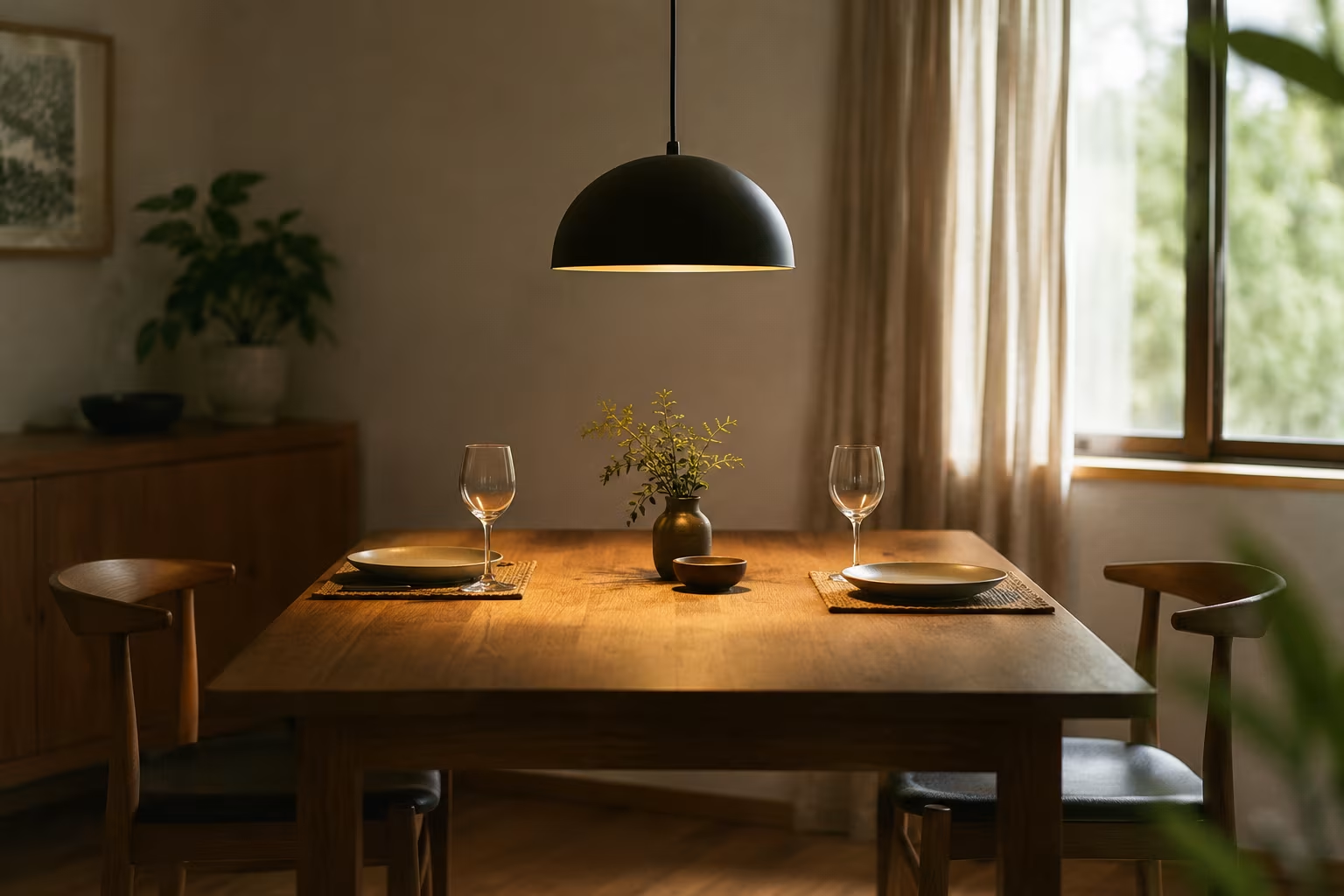
Light Fixture Height Over Dining Table: The Rule
The right pendant light height over a dining table is calculated, not guessed. The standard...
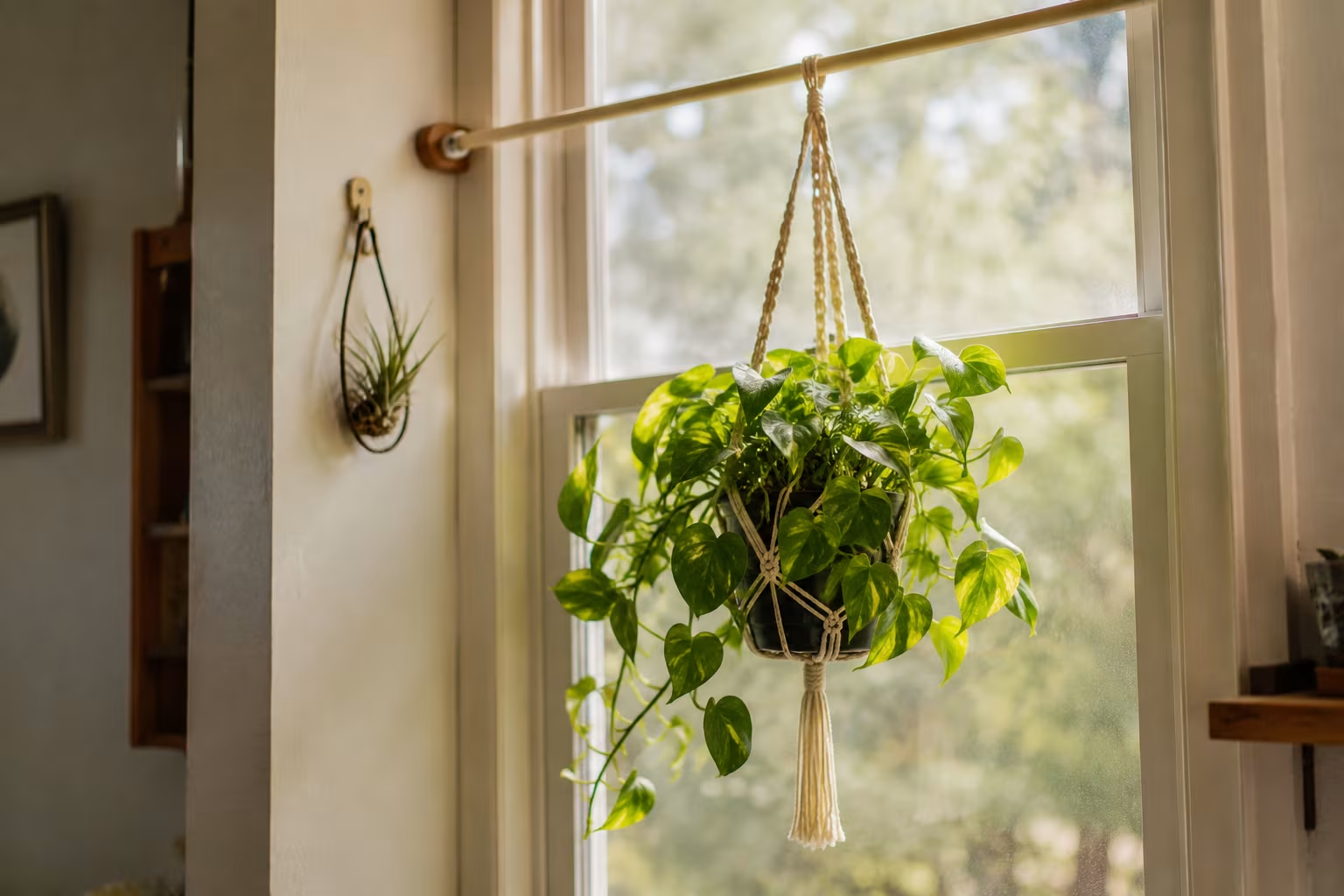
Hanging Plants Without Ceiling Hooks for Renters
Hanging plants brighten any room but drilling into the ceiling isn't always an option....
Comments
No comments yet. Be the first to share your thoughts!